
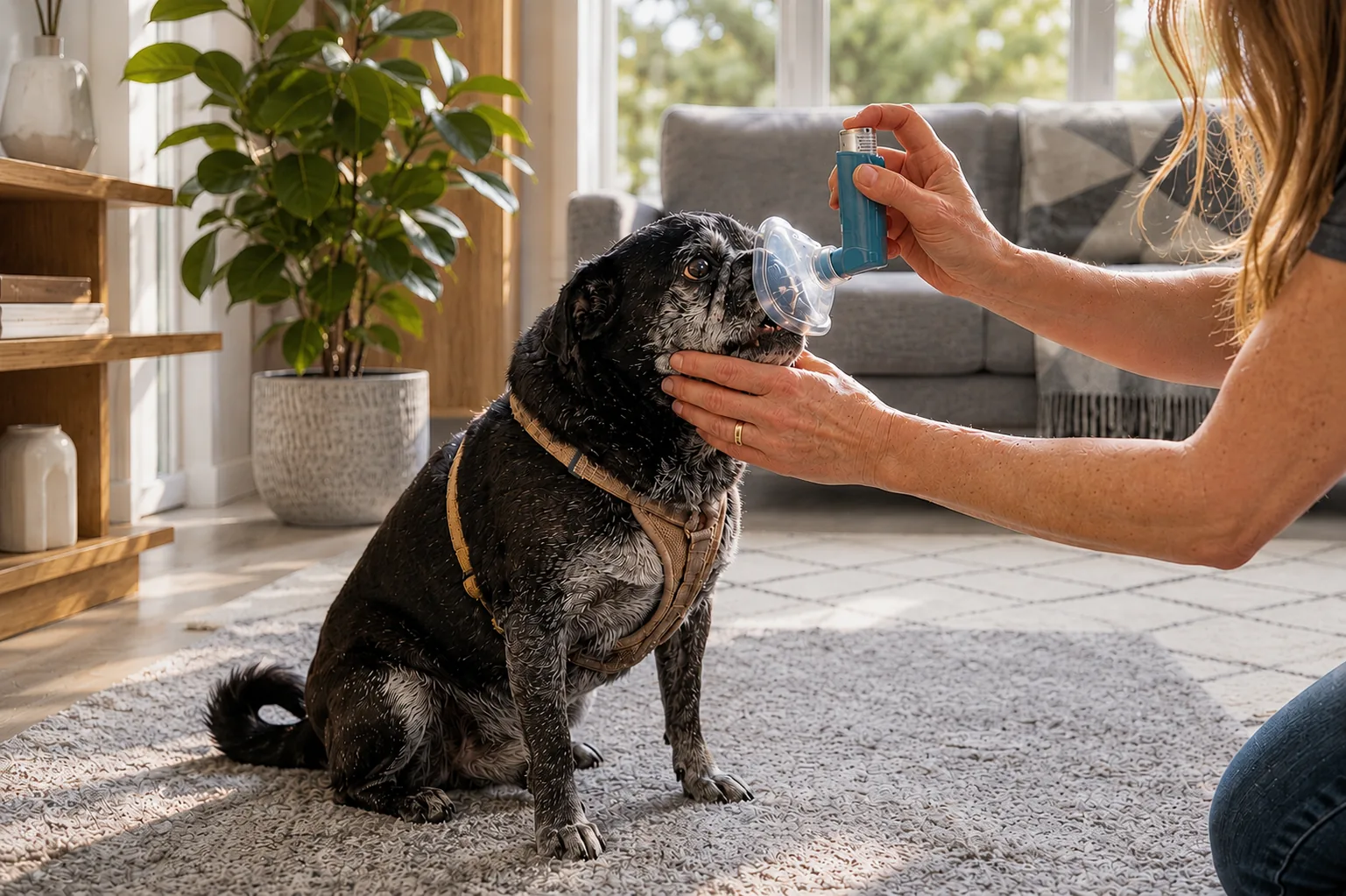
What if the place you feel safest… is actually affecting your health?
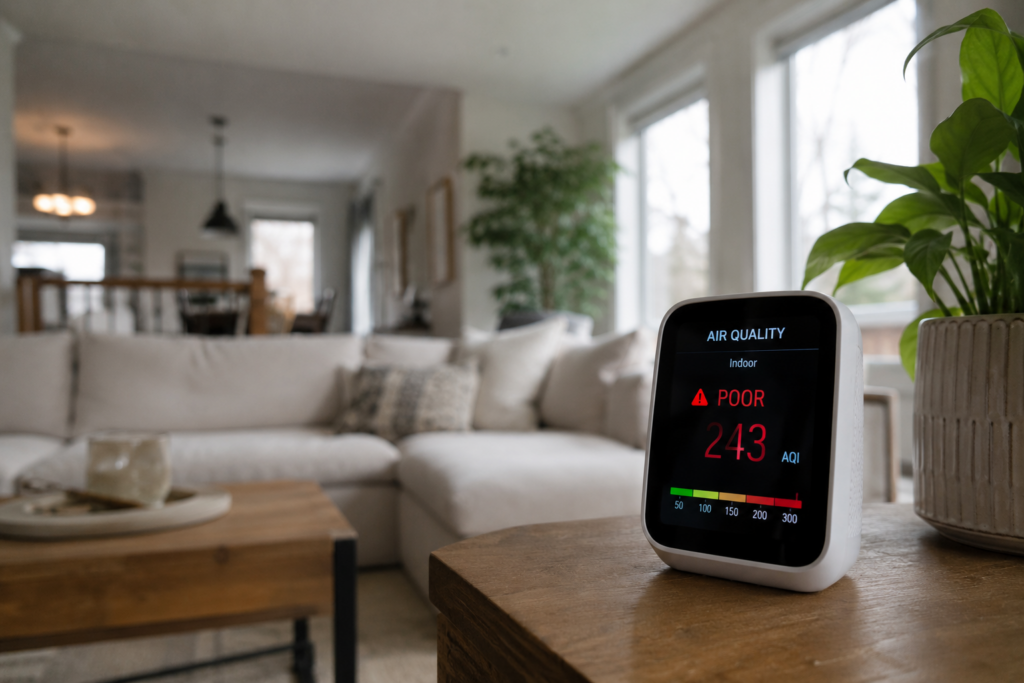
Non-toxic paint and indoor air quality are closely connected, especially in Canadian homes where families spend much of the year indoors. Most people assume outdoor pollution is the main concern but according to the United States Environmental Protection Agency, Indoor environments can contain 2 to 5 times more pollutants than outdoor air, and in some cases, even up to 10 times more.
Why Indoor Spaces Can Be More Polluted Than Outdoors
Many people associate pollution with traffic, industrial areas, or outdoor smog. However, indoor environments can sometimes contain higher concentrations of pollutants than the air outside, especially in Canada, where people spend a large portion of the year inside enclosed spaces due to colder temperatures and extended winter seasons.
For much of the year, homes remain closed to preserve heat and improve comfort during cold weather. While this helps maintain indoor temperatures, it can also reduce airflow and allow airborne pollutants to accumulate inside the spaces where families spend most of their time.
How Everyday Materials Affect Indoor Air Quality
Every household material and product may continuously release invisible chemical compounds into indoor environments. Because indoor environments often have limited ventilation during colder months, these pollutants can impact indoor air quality over long periods of time.
Several common factors contribute to indoor air pollution, including:
- Conventional paints and finishes releasing airborne chemicals
- Cleaning products containing synthetic compounds
- Limited airflow and poor ventilation
- Building materials that retain pollutants indoors
- Furniture, flooring, and fabrics treated with chemicals
- Moisture and humidity that may contribute to mold growth
Traditional paints are among the most overlooked contributors to indoor air pollution. Many conventional coatings contain volatile organic compounds (VOCs) and other chemical substances that may continue releasing emissions long after the paint appears dry. In many cases, these compounds can continue off-gassing into the indoor air for months or even years after the application.
This means that when a home is painted using toxic or low-quality coatings, the indoor environment may continue being exposed to airborne pollutants long after the painting project is completed. In enclosed indoor spaces, especially during Canadian winters when ventilation is reduced, these emissions can accumulate and continuously circulate through the air families and pets breathe every day.
This concern is becoming increasingly important as more attention is being given to respiratory health and indoor wellbeing. Some respiratory conditions that were once considered uncommon in pets, including asthma-like symptoms, are now being discussed more frequently by veterinarians and pet owners. Although many factors may contribute to these conditions, indoor environmental quality is becoming an important part of the conversation.
Children, seniors, pets, and individuals with respiratory sensitivities may be particularly vulnerable to prolonged exposure to poor indoor air quality. Because Canadians spend so much time indoors throughout the year, the materials used inside the home can play a significant role in long-term wellbeing.
For this reason, many homeowners are becoming more intentional about creating healthier indoor environments through better ventilation, environmentally conscious materials, and professional non-toxic painting services designed to help reduce unnecessary airborne pollutants inside the home.
The Hidden Truth About Water-Based Paints and Indoor Air Quality
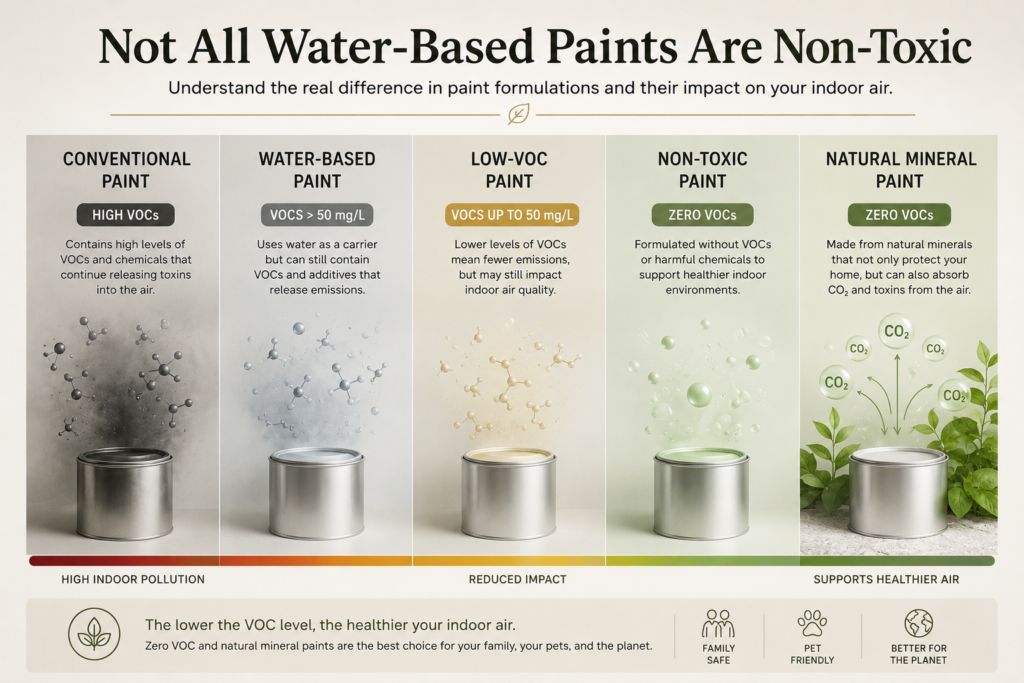
It is important to understand that “water-based paint” does not mean that only water is being applied to your walls. While water is used as the primary carrier instead of oil-based solvents, many conventional water-based paints can still contain volatile organic compounds (VOCs) and other chemical additives that may continue releasing airborne pollutants into the indoor environment after application.
Some manufacturers market water-based paints as less toxic when VOC levels remain below 50 mg/L, but these products may still release chemical emissions into indoor environments over time. In contrast, non-toxic and natural paints are made with zero VOCs to support healthier indoor air quality inside homes. Certain natural mineral-based paints can also absorb CO2 and airborne toxins from indoor air.
What many homeowners do not realize is that the impact of paint products extends far beyond aesthetics. Conventional paints and coatings may continue releasing airborne pollutants for years after application. This becomes especially important inside enclosed Canadian homes during colder seasons.
Many homeowners focus primarily on wall paint, but indoor air quality can also be influenced by the products and coatings applied throughout the home, including cabinets, trims, doors, ceilings, and other interior surfaces. Choosing healthier products during cabinet painting and refinishing, trim coatings, and other interior painting services can help reduce unnecessary chemical exposure while supporting healthier living environments inside the spaces families use every day.
Over time, the quality of the indoor environment can directly influence comfort, respiratory health, energy levels, sleep quality, allergies, and overall wellbeing. Because we spend a significant portion of our lives indoors, the materials surrounding us every day can have a cumulative impact on our health and quality of life over the years.
For this reason, choosing a painting contractor should not be based only on color selection or price. It is equally important to work with a provider that understands the health and environmental impact of the products being applied inside your home. A conscious painting company should be able to explain the difference between conventional coatings, low-VOC products, non-toxic paints, and natural mineral-based alternatives.
Investing in healthier paint systems is not only an aesthetic decision, it is an investment in the quality of the air inside your home, the wellbeing of your family, and the long-term health of the indoor environment where you spend most of your life.
At GreenTech Painting, we believe the conversation around painting must evolve beyond colors and finishes. The products applied inside a home become part of the environment people experience every single day, influencing indoor air quality, comfort, and long-term wellbeing over time.
Professionals with backgrounds in Biological Sciences founded GreenTech Painting, which shaped the company’s philosophy of approaching painting as a conscious investment for healthier homes, indoor wellbeing, and environmental responsibility.
As awareness around indoor air quality continues to grow, more homeowners are beginning to understand that the materials used inside their homes matter. Traditional coatings may continue releasing chemical emissions into indoor spaces long after application, especially in Canadian environments where homes remain enclosed for significant portions of the year. Because of this, selecting the right painting products, and the right painting company, becomes an important long-term decision.
At GreenTech Painting, our commitment to non-toxic paints, natural mineral coatings, and environmentally conscious practices is rooted in both science and responsibility. We believe homeowners deserve access to healthier alternatives that support not only beautiful spaces, but healthier living environments for families, children, and pets.
This philosophy also shaped GreenTech Painting’s reputation and recognition throughout the industry. GreenTech Painting has received awards not only for service quality and customer satisfaction, but also for business ethics, sustainability leadership, and environmental responsibility, reflecting the company’s mission to help redefine what conscious painting can represent for homeowners and communities alike.
Choosing conscious painting solutions is more than an aesthetic upgrade. It is an investment in healthier indoor environments. GreenTech Painting helps homeowners across London Ontario create healthier spaces through sustainable practices and science-informed decisions.
Understanding the connection between non-toxic paint and indoor air quality helps homeowners make healthier long-term decisions. These choices affect the spaces where families live and breathe every day.

FAQs
Is non-toxic paint better for indoor air quality?
Yes. Non-toxic paint and indoor air quality are closely connected because healthier coatings help reduce airborne pollutants inside the home.